Sourdough starter, although so easy and simple to care for, does take a small amount of attention. I think it’s easier than taking care of a house plant. Considering I always end up killing my house plants. Give me plants outside all day long, and they will thrive. But inside plants have not chance of survival.
I recently bought a beautiful fiddle leaf fig tree for a sunny corner of my house. I have had the plant for about three weeks, and it’s already half dead. Needless to say, taking care of a sourdough starter is easier than taking care of house plants.
If you’re looking to start making delicious sourdough recipes, see my post here about how to start a sourdough starter.

Dry Starter vs. Hydration Starter:
You may have seen people online talking about keeping a dry starter and how easy it is to care for. A dry starter is one that is very thick, almost like a playdough consistency. When you want to make something with your dry starter, you take a small piece of the starter and rehydrate it by feeding it equal parts, water, and flour to the amount you need for your recipe. Then you have to wait for the starter to ferment before use.
I think this process is much more inconvenient than keeping a 100% hydration starter. A hydration starter is almost always ready to use when cared for properly.
Tips for keeping a sourdough starter:
Select the right container.
Keep your starter is a glass container with a big enough opening to be able to get a 1 cup measuring cup in and out of the container. I have used a few different containers over my sourdough journey. The first one was a wide mouth mason jar, and I wasn’t able to get a measuring cup in it. Then, I moved my starter to a mixing bowl with a lid. This was a good option for a small to medium amount of starter. Now, I use a large glass canister with a lid that can hold large amounts of starter for recipes such as sourdough pizza, pancakes, or crackers.
Here is the container that I use for my starter and love the convenience and ease of it.

Keep your starter in the refrigerator.
Keep your sourdough starter in the refrigerator to slow fermentation. Slowing fermentation will mean that the starter needs to be fed less frequently. Refrigeration may be less necessary in colder climates, but if your home is above 70, you will definitely want to keep your starter in the refrigerator.
How and when to feed your starter?
I typically feed my starter a ratio of 1 part flour to 1 part water. Most times, that will look like 1 cup of all-purpose flour and 1 cup of filtered water. If I know that I want to make pizza or crackers later in the week, I will feed it 2 to 3 cups of flour and water.
Feed your starter at least 1 cup of flour and water every time after you use it and then place it in the refrigerator. This will ensure that your that your starter is always ready to use for a loaf of bread.
Starter is easier to work with when it is room temperature. So if you know ahead of time that you be using your starter, take it out of the refrigerator 2 to 3 hours before use. Starter can also be used cold, but it will be thicker and more difficult to scoop. You can also place your starter in a warm place like the back of a stove top with the oven on low or sunny window sill to slowly warm. Sometimes, in the winter, I set mine by the fireplace.
How long can I leave my starter?
When we go on vacation, I change the ratio of the flour and water. I feed my starter right before we leave for a trip, and I give it 1 cup of flour and 1/2 cup of water and store in the refrigerator immediately. The starter will be extra thick. This is giving your starter more food before leaving. I left my starter for 2.5 weeks before, and it was perfectly fermented when I returned home. If the starter is over fermented, it will have a lot of liquid on top called hooch.
Hooch is not bad. It can be mixed into your starter and will give your starter lots of good flavor. If you have a lot of liquid hooch on top of your starter, feed it with more flour to water ratio. As your hooch acts like some of the “water” you would have added. The consistency desired of the stater is one similar to pancake batter.
When is my starter ready to use?
Recipes will call for active starter or discard starter. Active starter is when the sourdough starter has lots of big active bubbles. Oftentimes, you can watch the big bubbles coming to the surface to pop.
Here is a photo of my starter when it was active and ready to use. When the sourdough starter is over fermented with hooch liquid on top, it’s not ideal for bread, but it can be used in many other recipes. This would be considered sourdough discard because sometimes people will throw part of it away some starter before they feed it.

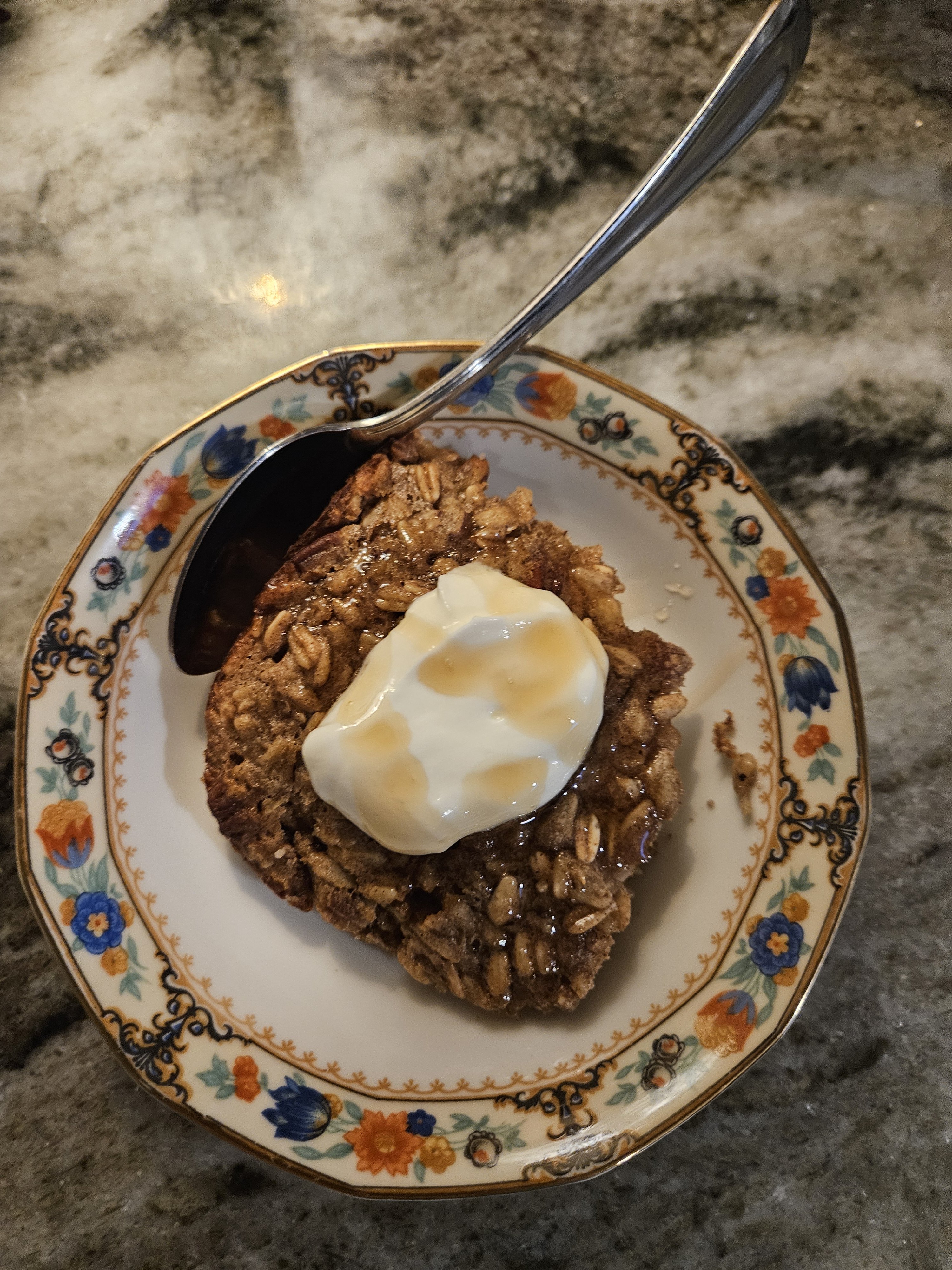
Please don’t throw away discard starter! There are so many recipes, including waffles, pizza, crackers, and pancakes, that you can use with sourdough discard.
Is my starter bad?
I have not had sourdough starter ever go bad. Even if it is extremely over fermented and has been sitting in the back of your refrigerator for months, you should be able to revive it with regular feedings.
I have heard that if you have pink moldy streaks on top of your starter that it needs to be thrown away. But this has never happened to me. So, I’m assuming this would only take place in rare cases.
Some of my Favorite Sourdough Recipes:

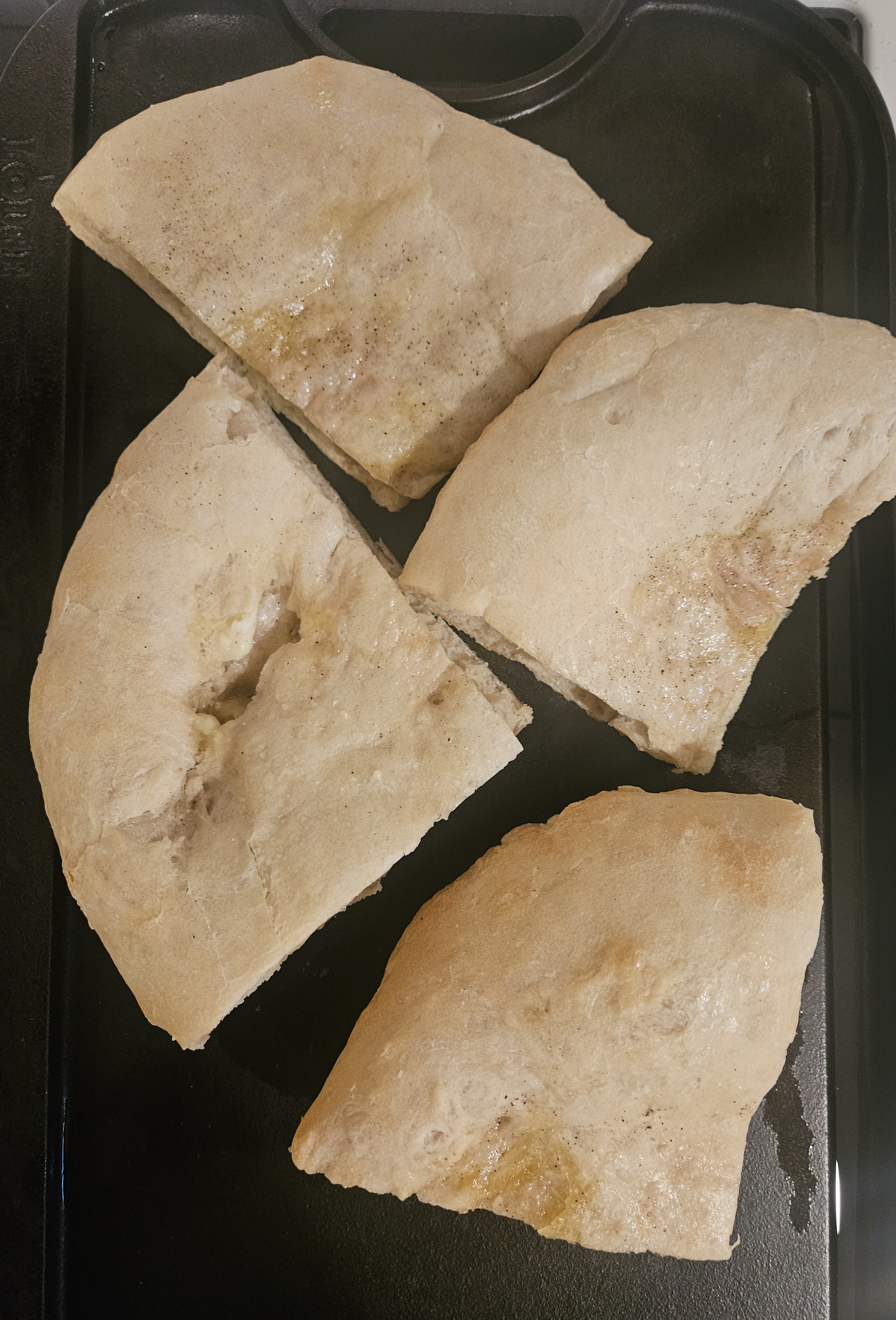
Fast Sourdough Bread, ready in just a few hours.
Sourdough Banana Bread Muffins

Thank you for stopping by! For more homemade family inspiration and recipes follow along @homesteadonlakeside





Leave a Reply